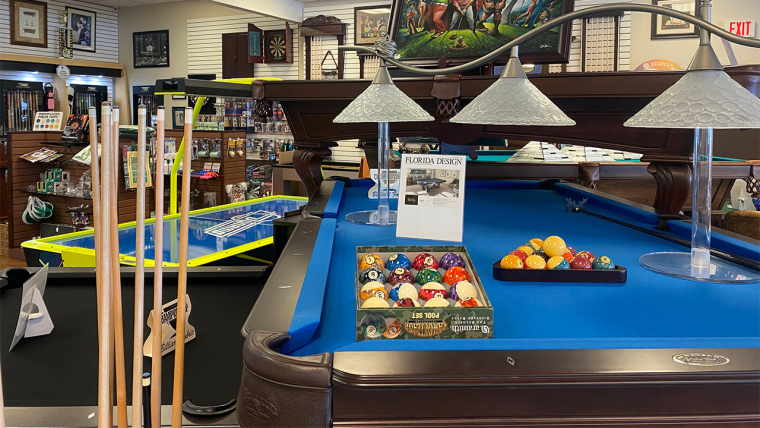
A pool table can be a striking addition to a South Florida condominium, but getting it into the room requires more planning than choosing a finish. Building procedures, elevator access, loading arrangements, and the installation location all need to be understood before a delivery appointment is confirmed. Early coordination helps the project move from an appealing idea to a workable plan.
For buyers in Boynton Beach and West Palm Beach, the most useful first step is gathering information for both building management and the installer. Each party has different questions to answer. Keeping those conversations connected can help you identify constraints before they become last-minute scheduling problems.
Speak with management before choosing a date
Ask the building's management team for its current delivery and contractor procedures. Find out whether appointments, service elevator reservations, insurance documentation, deposits, or approved work periods apply. These requirements vary by property. A procedure from another condominium, or from a previous furniture delivery, should not be assumed to govern the current project.
Request the relevant instructions in writing and pass them to the delivery provider for review. Ask management who approves the arrangements and how long that review generally requires. Do not treat a preferred delivery date as confirmed until the necessary parties have accepted it. A calendar entry alone does not establish that access has been authorized.
Give the installer complete table information
Share the exact table under consideration and any available specification documents. Explain whether this is a new purchase, a relocation, or a pre-owned table being collected elsewhere. The provider needs to understand the equipment and the project before discussing how it might be delivered and installed at the destination.
Ask what measurements, photographs, or onsite review are needed. Let the installer determine the relevant component and handling information rather than assuming the assembled table must pass through every opening unchanged. Avoid promising that access will work based only on a sales photograph or a general description of the building.
Review the route from vehicle to room
Think through loading access, parking restrictions, entrances, corridors, elevators, and the final doorway. Tight turns and transitions can matter as much as the width of a single opening. Provide the requested photographs and measurements accurately, including obstacles or unusual conditions. If you are uncertain about a dimension, say so and seek clarification.
Ask which route management permits and whether protective measures or staff coordination are required. The shortest route may not be the approved one. Keep the delivery provider informed about any access changes, construction, or temporary closures. A route assessment is useful only when it reflects the conditions expected on the actual delivery day.
Plan the destination as carefully as the journey
Decide where the table will stand and discuss the playing area before finalizing the purchase. Include cue movement, doors, seating, storage, and walking routes. A room that holds the table's exterior footprint may still need a different arrangement for comfortable play. Provide a floor plan or photographs to support that conversation.
Ask appropriate building or construction professionals to address any questions about floor suitability or property restrictions. Do not assume that an installer can resolve every structural or association issue during delivery. Identify who is responsible for each decision and obtain the needed answers before the table arrives at the building.
Coordinate flooring and other room work
Tell the provider about planned flooring, painting, lighting, or other work that could affect the installation. Discuss the practical order of the project rather than scheduling several trades around the same space without coordination. A completed room and a clear work area can make the planned installation easier to organize.
If an existing table must be moved for renovations, ask about the appropriate relocation process instead of sliding or lifting it informally. Share any storage needs and the expected duration. Confirm what the service covers and how later installation will be arranged. Treat each move as a defined part of the project rather than an incidental task.
Prepare one shared delivery information sheet
Keep the building contact, approved access instructions, reservation details, destination, and provider contact together. Add the table identification and any outstanding questions. Share the relevant information with the people coordinating the visit so an important condition does not remain buried in a separate message or an old email thread.
Review the sheet shortly before the appointment and confirm that the arrangements still apply. Ask how changes or delays should be communicated. If management alters an elevator reservation, notify the provider promptly rather than assuming the same plan remains workable. Clear updates support realistic scheduling without promising a particular delivery outcome.
Resolve uncertainties before the reservation is final
Imagine management offers an elevator period that appears convenient, but the provider has not yet reviewed the route or table details. Keep that reservation provisional while the necessary assessment takes place. Share the building instructions and ask which conditions must be resolved before the appointment can be accepted.
If a corridor turn or loading restriction raises a question, provide the requested information rather than guessing that the crew will find a solution on arrival. The answer may influence the proposed arrangements, scheduling, or suitability of the project. Identifying that question early gives everyone a clearer basis for deciding what comes next.
Once the plan is agreed, keep the approved information accessible to the person meeting the delivery team. A concise shared record supports coordination when several people are involved in access, building administration, and the final room preparation. Include any remaining owner responsibilities in the same record. Knowing who clears the room, provides access, and receives the care information helps the handover feel organized and makes unanswered questions easier to identify before the visit is complete.
Confirm the scope and handover
Review what delivery and installation include, what preparation the owner must complete, and how any additional work would be handled. Ask about the final walkthrough and where care instructions will be supplied. Keep the written proposal and approved configuration accessible so questions can be discussed with the same reference information.
Boynton Billiards lists delivery, installation, and relocation services. Visit BoyntonBilliards.com to discuss your proposed condo project and the information needed for an access review. Coordinating the table, room, building procedures, and service arrangements early can help you make a more informed purchase and prepare responsibly for installation.