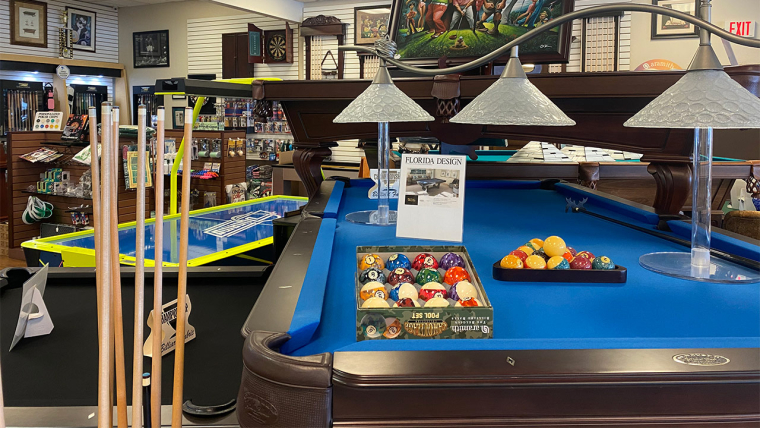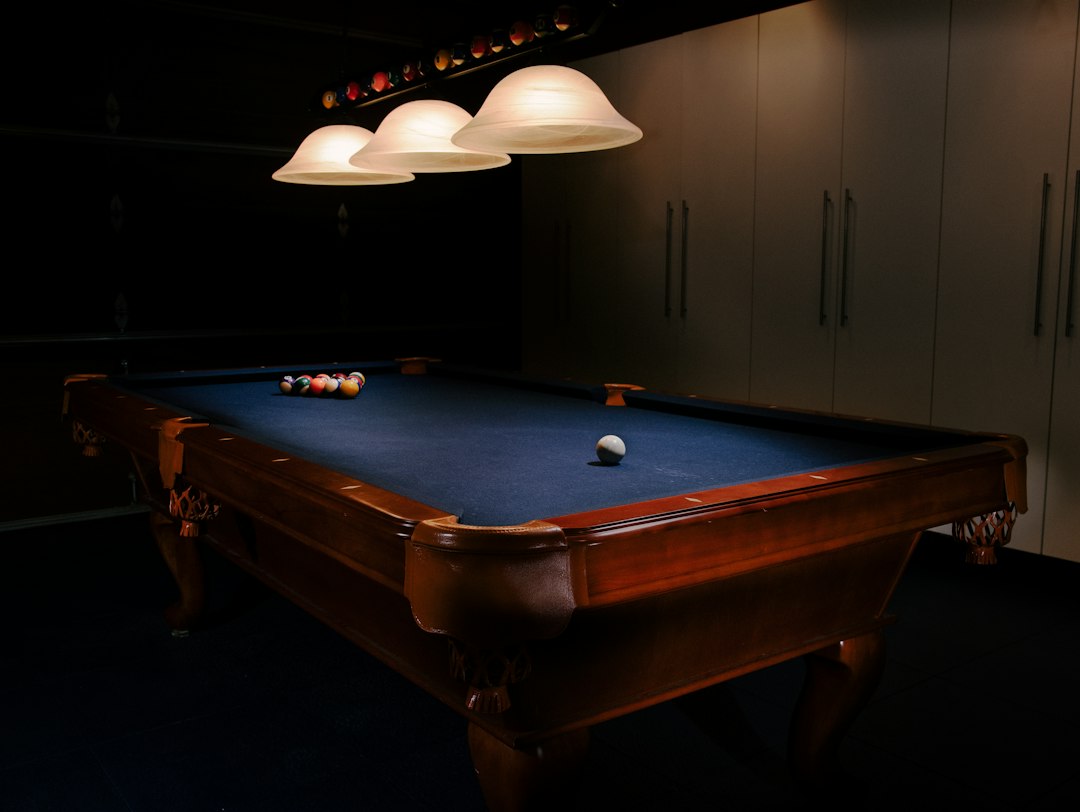
South Florida humidity is part of everyday life, but a pool table is built from materials that benefit from stable indoor conditions. Wood cabinets, cloth, adhesives, cushions, and hardware can all react differently when a room is repeatedly damp, hot, or exposed to water. Protecting a table does not require treating it like a museum piece. It requires a sensible environment and a few consistent habits.
This guide is for indoor tables in homes, clubhouses, and offices. If you are planning a table for a patio or other exposed location, start with our separate article on outdoor pool tables in Florida and choose a model intended for those conditions. An indoor table placed outside is a different risk.
Keep the Room Climate Consistent
A sudden change in temperature or moisture can be harder on materials than a reasonably consistent indoor environment. Use normal climate control appropriate for the home, address persistent humidity, and avoid leaving the room closed and unconditioned for long periods. A simple indoor humidity monitor can help reveal a problem that is not obvious until surfaces feel damp.
Do not aim a supply vent directly at one part of the table if it creates a large local change. Similarly, avoid positioning the table beside a door that is repeatedly opened to a wet patio. You do not need a perfect number every hour; the practical aim is a dry, comfortable room without repeated extremes.
Watch for Water Sources
Leaks from a roof, window, air-conditioning system, or nearby plumbing can damage a table quickly. Check the ceiling and walls around the game room after major storms, particularly in a property that is not occupied every day. If water enters the room, protect people and electrical equipment first, then assess the table before playing on it.
Do not assume a wet cloth will simply dry without consequences. Water can affect finish, playfield materials, seams, and the structure beneath. Photograph visible damage and contact an appropriate professional if the table was exposed. If the room has flooded, avoid attempting to lift or drag a heavy assembled table across damp flooring.
Use a Cover for Everyday Protection
A fitted cover helps keep dust, pet hair, sunlight, and casual spills away from the playing bed when the table is idle. It is a useful everyday habit in a multi-purpose room. Choose a cover that fits the cabinet and follows the table maker’s recommendations. Remove it before play and store it where it will stay clean.
A cover is not a cure for a humid room or an active leak. If moisture is trapped beneath it, the table may be worse off. Make sure the cloth and accessories are dry before covering the table. Never rely on a household plastic sheet as a substitute for correcting water intrusion or maintaining the room.
Care for Cloth Without Soaking It
Chalk and dust accumulate on the playing surface. Clean cloth using tools and methods recommended by its manufacturer. Aggressive vacuum heads, harsh stain products, and excessive liquid can damage fabric or change its appearance. Blot a spill promptly according to the cloth maker’s guidance, and ask a professional for help if the area remains stained or damp.
In humid weather, a room may feel sticky even when the table looks fine. Check whether balls roll consistently and whether the cloth feels unusually damp. Do not try to speed drying with intense direct heat. If cloth has become worn or damaged, our guide to when to replace pool-table cloth can help you recognize signs that service is needed.
Protect Wood Finishes and Metal Parts
Wipe dust from the cabinet and rails with a soft cloth appropriate for the finish. Follow the manufacturer’s care directions before using polish or cleaning chemicals. Wood veneers, solid wood, laminates, and painted finishes may need different treatment. Keep drinks off the rails; condensation rings and spills can leave marks or find their way into seams.
Inspect exposed hardware for signs of corrosion, especially in a coastal property. A small change caught early is easier to discuss with a service professional than a problem left for months. Do not spray metal treatments near cloth, cushions, or finish without verifying they are safe for that table.
Store Cues and Accessories Properly
The cue rack, ball set, triangle, bridge, and chalk also need a dry home. Do not leave cues leaning against an exterior wall where they may fall or be exposed to moisture. Use a rack or protective case, and keep chalk and cleaning supplies in a container rather than loose on the table. Wipe damp accessories before putting them away.
If the game room opens to a lanai, guests may carry wet towels or drinks inside. Establish a simple place for those items away from the table. A practical room setup protects equipment without making the space feel restrictive. Boynton Billiards carries billiards accessories that can help keep play organized.
Check the Table After Seasonal Changes
Slowly roll a clean ball from several areas now and then. If it repeatedly drifts, the table may need a leveling check; if the behavior changes only in one spot, inspect the cloth and playing surface. Look for loose pockets, rail issues, unusual odors, or moisture marks. Small observations provide a useful baseline before a problem becomes obvious during a match.
Do not make a structural adjustment based on one rolling ball. Cloth texture, ball condition, and stroke can also affect the result. If a consistent problem appears, describe the symptoms to a technician. The table may need professional leveling, cloth work, or another service depending on the cause.
Plan for Vacant Homes and Shared Spaces
Seasonal residents and property managers should assign someone to check the game room periodically. Confirm that climate control remains operational and that a leak has not developed after a storm. In a clubhouse, simple posted rules—no drinks on rails, cover the table after use, and report damage—can reduce avoidable wear.
Give staff or guests clear instructions for whom to contact if a problem is noticed. A table can remain enjoyable for years when small maintenance questions are handled promptly. Do not wait for a major event to discover that an unconditioned room has changed the feel of the playing surface.
Keep Your Indoor Table Ready to Play
The best protection is straightforward: keep the room reasonably dry and stable, use a fitted cover on a dry table, clean with approved methods, and check for leaks or changes in play. These habits support the table’s finish and playing conditions while leaving the game room comfortable for everyone.
If you are selecting a new pool table or have a service concern in South Florida, call Boynton Billiards at 561-736-7665. Describe the table, room, and symptoms so the team can help identify the appropriate next step.